Safety & Scam Protection · Quick guide
Social Security Impersonation Scams Explained Plainly
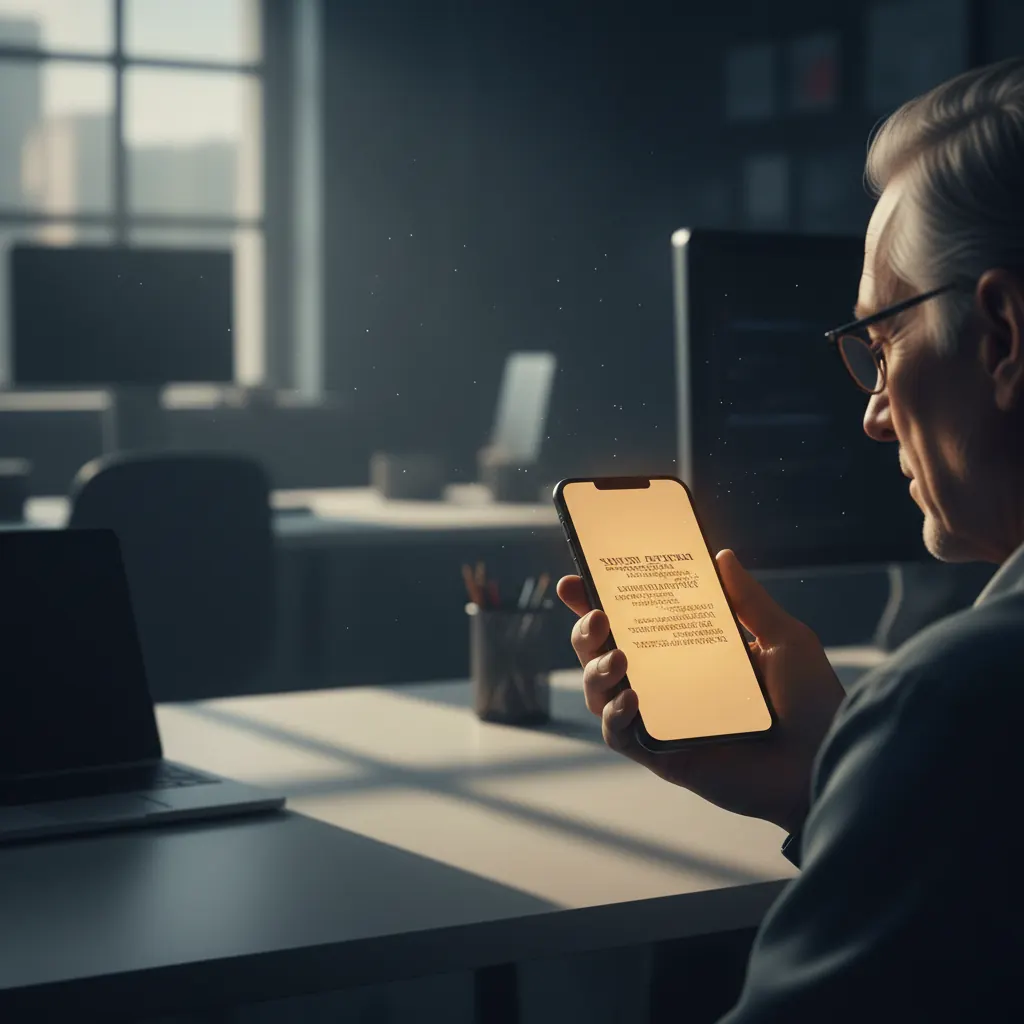
The phone rings, and an official-sounding voice claims to be from the Social Security Administration. They say there's a problem with your benefits, or even that your Social Security number has been suspended. My dear readers, these calls are almost always scams, and they're designed to scare you into making a mistake.
 By Suzy Ahn
The phone rings, and an official-sounding voice claims to be from the Social Security Administration. They say there's a problem with your benefits, or even that your Social Security number has been suspended. My dear readers, these calls are almost always scams, and they're designed to scare you into making a mistake. I've been teaching older adults how to use technology safely for nearly two decades, and in that time, I've seen countless variations of these deceitful schemes. It truly breaks my heart to hear stories from my students and readers who have been targeted, sometimes losing precious savings because a scammer managed to play on their fears and trust. My goal today is to equip you with the knowledge to recognize these Social Security impersonation scams and protect yourself, your loved ones, and your finances. We'll break down exactly how these sophisticated schemes unfold, what to watch out for, and most importantly, what you should do if you suspect you're being targeted. Remember, knowledge is your best defense.
What Exactly Are These Social Security Scams?
At their core, Social Security impersonation scams are a type of fraud where criminals pretend to be representatives from the U.S. Social Security Administration (SSA). Their ultimate goal? To trick you into giving them money, personal information, or access to your computer or bank accounts. These aren't just random phishing attempts; they are carefully crafted psychological attacks designed to create panic and urgency, making you believe that immediate action is required to avoid severe consequences.
Think about it: the Social Security Administration is a highly trusted government agency that many of us rely on for our retirement benefits, disability payments, or survivor benefits. The very mention of "Social Security" often carries a weight of importance and authority. Scammers exploit this inherent trust and the natural concern you might have for your financial well-being. They want you to believe that there's an urgent problem with your benefits, your Social Security number (SSN), or even a fabricated legal issue. They'll play on your fears of losing your benefits, facing arrest, or having your identity stolen – all to manipulate you into complying with their demands.
These scams aren't new, but they evolve constantly, becoming more sophisticated with each passing year. They don't just come via phone calls anymore; they can arrive as text messages, emails, or even pop-up messages on your computer. Just last Tuesday, a 78-year-old reader emailed me, distraught because she'd received a text message claiming her Social Security benefits were "on hold due to suspicious activity" and asking her to click on a link. Thankfully, she remembered my advice about suspicious links and didn't click, but the anxiety it caused her was palpable. That's why it's so important to stay informed about the latest tactics these scammers employ.
How Do These Scams Actually Work?
Scammers use a variety of clever methods to execute their impersonation schemes. Let's walk through the most common scenarios:
The "Problem with Your Account" Call
This is perhaps the most prevalent form. You receive a phone call, often from a number that's been "spoofed" to look like it's coming from a legitimate government agency or even your local area code. The caller, who might sound very professional and articulate, will claim to be from the Social Security Administration. They'll tell you there's an urgent issue with your Social Security account, such as:
- Your Social Security number has been compromised or used in a crime.
- There's an arrest warrant out for you because of a problem with your SSN.
- Your benefits are about to be suspended or cut off.
- There's an overpayment that needs to be returned immediately.
They'll often insist that you must "verify" your SSN, date of birth, or bank account details to resolve the alleged problem. They'll pressure you to act immediately, saying that if you hang up or don't comply, you'll face severe penalties, like a lawsuit or arrest. This sense of urgency is a classic scammer tactic, designed to prevent you from thinking clearly or contacting a trusted family member or advisor.
The "Suspended SSN" or "Illegal Activity" Scam
Another common tactic involves telling you your Social Security number has been "suspended" or that it's been involved in illegal drug trafficking or money laundering in a foreign country. This is, of course, entirely fabricated. The SSA does not "suspend" Social Security numbers. This lie is meant to terrify you into believing you're in serious legal trouble. The scammer might then demand immediate payment – often through unusual methods like gift cards, wire transfers, or cryptocurrency – to "clear your name" or "reinstate" your SSN. They might even try to get you to transfer money from your bank account to a "safe" government account, which is actually just their own account.
The "Verify Your Information" Email or Text
While phone calls are common, scammers also use email and text messages. You might receive an email that looks official, complete with SSA logos and government-sounding language. It will claim there's an issue with your account and ask you to click on a link to "verify your information." Similarly, text messages might state your benefits are on hold or that you need to update your details. These links, however, lead to fake websites designed to steal your credentials or install malware on your device. For more on spotting these digital traps, you might find my article "How to Spot Phishing Text Messages" very helpful.
The "Grant or Loan" Offer
Less common, but still occurring, are scams where the impersonator promises a government grant or loan from the Social Security Administration, often for a small "processing fee" upfront. This is a variation of an advance-fee scam. They'll ask you for your bank details to deposit the (fictitious) money, but instead, they'll drain your account.
Red Flags: How to Spot a Social Security Impersonation Scam
Identifying these scams often comes down to recognizing specific warning signs. Here are the crucial red flags to commit to memory:
- Threats of Arrest or Legal Action: The SSA will never threaten you with immediate arrest, legal action, or deportation if you don't pay fines or provide personal information. This is a massive red flag.
- Demanding Immediate Payment: Scammers always create urgency. They'll demand immediate payment via unusual methods like gift cards (e.g., Apple, Google Play, Amazon), wire transfers (like Western Union or MoneyGram), or cryptocurrency. Government agencies do not ask for payment this way.
- Asking for Personal Information Over the Phone/Email: While the SSA might send you letters asking to verify information by mail, they generally won't ask for your full Social Security number, bank account details, or other sensitive information over an unsolicited phone call or email. Be extremely wary.
- Demanding Secrecy: The scammer might instruct you not to tell anyone about the call, not even family members, lawyers, or your bank. This is a huge sign that they're trying to isolate you and prevent you from getting advice.
- "Spoofed" Phone Numbers: Scammers use technology to make their calls appear to come from legitimate SSA phone numbers or even local numbers. Don't trust caller ID alone.
- Requests for Remote Access to Your Computer: If they ask you to download software that gives them remote access to your computer to "fix" a problem or "show you something," hang up immediately. This is a common tactic to install malware or steal your banking information.
- Grammar and Spelling Errors in Emails/Texts: Official communications from government agencies rarely contain obvious grammatical mistakes or spelling errors. Be suspicious of sloppy writing.
- Generic Greetings: If an email isn't addressed to you by name (e.g., "Dear Sir/Madam" or "Dear Social Security Recipient"), it's likely a mass-sent scam.
Why Are Older Adults Targeted So Often?
This is a question I often get in my classes, and it's an important one to address. Unfortunately, older adults are disproportionately targeted by these types of scams for several reasons:
- Accumulated Wealth: Many seniors have accumulated savings, retirement funds, or own property, making them attractive targets for financial exploitation.
- Trust and Politeness: My generation, and those older than me, were generally raised to be polite and to trust authority figures. Scammers exploit this by posing as officials and leveraging that inherent respect.
- Less Familiarity with Evolving Technology: While my students are incredibly eager to learn, many older adults haven
Watch & learn
Recommended video: The Grandparent Scam, Explained by Investigators
A companion tutorial from AARP. We link to a YouTube search so you always get a current, working version.
Watch “The Grandparent Scam, Explained by Investigators” on YouTubeOpens a YouTube search in a new tab · AARPKey takeaways
- Social Security Administration (SSA) will NEVER threaten you with arrest, legal action, or demand immediate payment via gift cards, wire transfers, or cryptocurrency.
- Your Social Security number cannot be 'suspended.' If someone claims it is, it's a scam.
- Be suspicious of unsolicited calls, emails, or texts claiming to be from the SSA that ask for personal information or immediate action.
- Always verify the legitimacy of any communication by contacting the SSA directly using their official phone number or website (ssa.gov), not numbers provided by the suspicious caller.
- If you receive a suspicious call, hang up. If it's an email or text, delete it and do not click on any links.
Frequently asked questions
- Will the Social Security Administration ever call me directly about a problem with my SSN?
- Generally, the SSA will not call you out of the blue about a problem with your Social Security number or benefits. If they need to contact you, they will usually do so by postal mail first. If you do receive a call, and you're unsure, it's always best to hang up and call the official SSA number yourself (1-800-772-1213) to verify.
- Can my Social Security number really be suspended?
- No, a Social Security number cannot be suspended or canceled. Any call, email, or text message claiming your SSN has been suspended is a definite scam.
- What should I do if a scammer asks me to pay with gift cards?
- Never pay anyone, especially someone claiming to be from a government agency, with gift cards. This is a classic sign of a scam. Government agencies do not accept gift cards for payment.
- I gave a scammer some personal information. What should I do?
- If you've given personal information to a scammer, act quickly. Contact the Social Security Administration, your bank, and the credit bureaus (Equifax, Experian, TransUnion) immediately to place a fraud alert. You should also report the scam to the appropriate authorities like the Federal Trade Commission (FTC).
- How can I tell if an email from the SSA is legitimate?
- Look for personalized greetings (addressed to you by name), correct grammar and spelling, and official email addresses (ending in .gov). Be very wary of links in emails; it's safer to go directly to the SSA's official website (ssa.gov) by typing it into your browser yourself, rather than clicking unverified links.